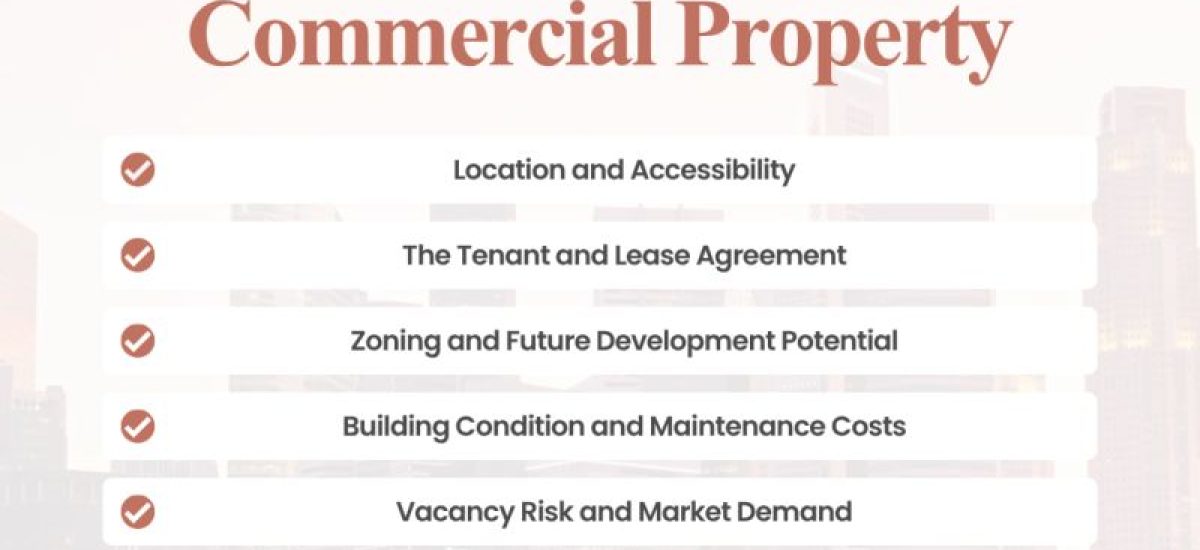
Buying commercial property can be an exciting step towards building wealth, growing a business or diversifying an investment portfolio. From office buildings and retail shops to warehouses and industrial sites, commercial real estate can offer opportunities to generate rental income and build long-term value.
However, commercial property purchases also come with risks that aren’t always obvious during an inspection.
A building might look impressive, the rental income might seem attractive, and the location might appear ideal. But what if the lease is about to expire? What if the property needs expensive repairs? What if planning restrictions prevent you from using the site as intended?
These are the types of questions that make commercial property due diligence so important.
Due diligence is the process of investigating a property before committing to a purchase. It helps you understand what you’re buying, identify potential problems and decide whether the investment makes sense for your financial goals.
At Metrolinx Property Advisors, we understand that buying commercial property involves more than finding a building at the right price. It’s about understanding the opportunities, assessing the risks and making decisions based on reliable information.
Whether you’re an experienced investor, a business owner purchasing your premises or someone entering the commercial property market for the first time, careful preparation can help you avoid costly surprises.
Let’s explore why due diligence matters, what you should investigate before buying and how professional property advice can help you move forward with confidence.
What Is Commercial Property Due Diligence?
Commercial property due diligence is the process of checking the legal, financial, physical and practical details of a property before you complete a purchase.
Think of it as looking beneath the surface. Rather than relying only on the sales brochure, asking price or rental figures, you investigate whether the property meets your needs and whether the investment is supported by the available evidence.
The checks required will depend on the type of property you’re buying and how you intend to use it.
For an investor purchasing a tenanted office building, the focus may be on rental income, lease conditions, tenant reliability and future maintenance costs. For a business owner buying a warehouse, the priorities may include access, building capacity, zoning, safety and whether the premises can support day-to-day operations.
A developer considering an industrial site may need to investigate planning controls, development approvals, contamination risks and the feasibility of the proposed project.
Commercial property due diligence often involves several professionals working together. Your solicitor or conveyancer can review contracts and title matters, an accountant can assess tax implications, and qualified building or environmental consultants can investigate technical risks. Depending on the property, you may also need a valuation, survey or specialist planning advice.
The important point is that no single document or inspection can answer every question.
A successful due diligence process brings the relevant information together so you can assess the property as a whole. It helps you understand not just what the property is worth today, but also what it could cost to own, operate, lease or develop in the future.
Most importantly, due diligence should take place early enough to inform your decision. Once you’re legally committed to a purchase, your options may be more limited.
Why Due Diligence Is Essential Before Buying
Commercial property transactions can involve substantial financial commitments. A mistake can affect your cash flow, business operations, borrowing arrangements or long-term investment returns.
Due diligence helps reduce uncertainty before you take on those responsibilities.
Imagine buying a retail property because the advertised rental income looks attractive. After settlement, you discover that significant roof repairs are needed and the lease allows the tenant to leave sooner than you expected. Your income may be less secure, and your expenses may be much higher than anticipated.
Or consider a business owner who purchases a property believing it can accommodate a particular type of operation. Further investigation reveals that the proposed use requires approvals that may be difficult or costly to obtain.
These situations illustrate why the appearance of a property and its advertised benefits are only part of the story.
A thorough investigation can help you identify issues such as:
- Unexpected building repairs or maintenance obligations.
- Lease terms that affect rental income or future flexibility.
- Planning restrictions that limit the property’s intended use.
- Environmental concerns that require further investigation.
- Additional costs that change the financial attractiveness of the purchase.
The findings may influence whether you proceed, request further information, negotiate different terms or decide that another property is a better fit.
Due diligence can also improve your confidence when dealing with lenders, advisers and other professionals. Rather than relying on assumptions, you have a clearer picture of the property’s condition and potential performance.
It is important to remember that due diligence cannot remove every investment risk or guarantee future returns. Markets change, tenants’ circumstances can shift and unexpected expenses can still occur.
However, careful investigation helps you understand the risks before making a major commitment. That knowledge is one of the most valuable tools you can have when buying commercial real estate.
Understand the True Market Value
One of the first questions to ask is whether the asking price reflects the property’s market position and investment potential.
Commercial property values can be influenced by location, building condition, land size, rental income, lease security, vacancy rates and demand from potential buyers. The importance of each factor varies depending on the property type and its intended use.
For an income-producing investment, buyers often examine the relationship between the property’s net income and its purchase price. A property’s capitalisation rate, commonly called its cap rate, is one measure used to assess this relationship.
In simple terms, the capitalisation rate compares the property’s annual net operating income with its value or purchase price. A higher rate may indicate a higher income return relative to the price, but it can also reflect greater risk. It should never be considered in isolation.
You should also investigate comparable commercial property sales and understand whether the income figures are current, sustainable and supported by lease documents.
For example, a building advertised with strong rental income may appear attractive at first glance. However, if the rent is above comparable market levels and the tenant is unlikely to renew, future income may be less secure than the headline figure suggests.
Similarly, a property with a lower initial return may have stronger lease security, better building condition or other advantages that suit your investment objectives.
An independent commercial property valuation may help you understand the market value, subject to the valuer’s scope and assumptions. A valuation is not a guarantee of the price you will achieve if you later sell.
The key is to assess the price alongside the risks, costs and likely future performance.
Before making an offer, ensure that you understand the evidence supporting the asking price and the assumptions behind any projected returns. A property should be judged on its overall merits, not simply on an attractive headline figure.
Review Existing Tenants and Lease Agreements
If you’re purchasing a tenanted commercial property, the leases are among the most important documents to review.
Rental income may be a major reason for buying the property, but the quality and security of that income depend on the agreements in place and the circumstances surrounding each tenant.
Start by checking the lease term, current rent, rent review provisions, options to renew, permitted use and any special conditions. You should also understand who is responsible for repairs, maintenance, insurance, outgoings and other property expenses.
These details can affect the income you receive and the costs you must cover.
For example, a lease with several years remaining may provide greater short-term income certainty than one that expires soon. However, the tenant’s financial position, the lease terms and the property’s suitability for that tenant still matter.
Review any rent arrears, incentives, rent-free periods, outstanding disputes and relevant side agreements. Ask whether the advertised rental income reflects the amount actually being received and whether any expenses have been excluded from the figures.
You should also examine the vacancy risk. If one tenant occupies most of a building, their departure could significantly affect cash flow. A property with several tenants may spread this risk, although it can involve more management and leasing costs.
If the property is vacant, investigate the likely time and expense involved in finding a tenant. Consider local demand, competing premises, incentives that may be needed and any work required before a new tenant can move in.
Commercial leases can contain complex obligations, so have your solicitor or commercial property lawyer review them before you commit.
The goal is to understand not only how much rent the property produces today, but also how reliable that income may be and what could happen when the current leases change.
Check the Building’s Condition
A commercial property may look well maintained during an inspection while hiding problems that require expensive repairs.
Roof leaks, structural movement, ageing services, faulty electrical systems and drainage issues can all affect the cost of owning a building. Depending on the property, you may also need to investigate fire safety systems, accessibility, air conditioning, lifts and other essential infrastructure.
This is why a professional building inspection is an important part of commercial property due diligence.
A qualified inspector or relevant building specialist can assess the property’s condition, identify visible defects and recommend further investigations where necessary. Depending on the age and use of the building, additional reports may be needed for particular systems or safety concerns.
You should also ask about the age of major equipment and the likely timing of replacement. An air conditioning system that works today may still be nearing the end of its useful life, creating a significant future expense.
Building condition matters financially as well as practically. Unexpected repairs can reduce the income available to service a loan or fund other investment costs.
If the property is tenanted, clarify which repairs are the owner’s responsibility and which obligations sit with the tenant under the lease. Do not assume that every maintenance expense can be passed on.
It can be helpful to prepare a forward maintenance plan that identifies immediate repairs, likely future work and approximate costs. This gives you a more realistic view of the property’s financial requirements.
If an inspection identifies significant defects, discuss the findings with the relevant professionals. You may need further reports, cost estimates or advice on whether the issue affects the property’s suitability.
An inspection does not guarantee that every hidden defect will be found. Its value lies in helping you understand the building’s condition and make a more informed decision before purchasing.
Investigate Zoning and Planning Restrictions
A commercial property’s location may look perfect for your plans, but that doesn’t automatically mean you can use it in the way you intend.
Planning controls, zoning, overlays and permit conditions can affect what activities are allowed on a site and whether changes or developments can proceed.
For example, a buyer might want to turn a warehouse into a different type of business premises, add another building or change the use of a retail property. Depending on the applicable planning scheme, the proposal may require approval or may face restrictions.
Before buying, establish the property’s existing lawful use and investigate whether your intended use is permitted. You should also check whether relevant building or planning permits have been issued for existing works and whether there are conditions that could affect future operations.
If you’re purchasing for development, the checks may need to be more extensive. A property’s apparent development potential should not be treated as a certainty until the relevant planning and technical issues have been assessed.
Speak with the local council or a qualified planning professional to understand the controls that apply to the property. You may also need advice about building regulations, heritage restrictions, access requirements, signage and parking.
Business Victoria provides useful guidance on buying business premises, including the importance of checking zoning, planning and building permits.
For Victorian properties, planning information can also be explored through the relevant government planning resources.
This step is especially important if your purchase depends on a particular future use. Buying first and investigating approvals later can expose you to significant financial and operational risks.
The aim is to confirm that the property can meet your needs within the relevant rules, rather than relying on assumptions about what might be possible.
Assess Environmental Risks
Environmental issues can have serious implications for commercial property buyers, particularly when purchasing land that has previously been used for industrial, manufacturing, automotive or chemical-related activities.
Past activities may have affected the soil, groundwater or other parts of a site. In some cases, contamination may require further investigation, ongoing management or remediation.
These issues can affect the property’s cost, suitability for particular uses and potential for redevelopment.
Start by reviewing the property’s current and historical uses. Consider whether activities on the site or nearby land may have created environmental risks. An old fuel storage area, chemical handling operation or industrial process may warrant closer investigation, depending on the circumstances.
A visual inspection alone cannot confirm whether land is contaminated. Where concerns exist, an appropriately qualified environmental consultant may recommend a preliminary site investigation and, if needed, further testing.
In Victoria, buyers should also consider whether an Environmental Audit Overlay or other relevant planning controls apply. These details may affect development proposals and the assessments required before certain uses can proceed.
The Victorian Environment Protection Authority provides guidance on buying, selling or developing land, including the importance of assessing potential contamination risks.
Environmental due diligence is not only about identifying a problem. It is also about understanding what the problem could mean for your plans, budget and responsibilities.
If a report identifies a concern, obtain specialist advice about the likely next steps, possible costs and any relevant regulatory requirements. Do not assume that a site is suitable for every purpose simply because it is currently being used commercially.
For investors and developers, this investigation can be particularly important because the intended future use may affect the level of assessment required.
By identifying environmental risks before purchase, you can make a more informed decision about whether to proceed and what further advice may be needed.
Understand the Financial Commitments
The purchase price is only one part of the total cost of owning commercial property.
Depending on the transaction, buyers may need to budget for stamp duty or other applicable transfer costs, legal fees, valuation fees, building inspections, finance costs, insurance, maintenance and property management.
You should also understand the ongoing operating expenses. These may include council rates, water charges, land tax where applicable, insurance premiums, repairs and management fees. The way these expenses are allocated between the landlord and tenant depends on the lease and applicable law.
A realistic financial assessment should consider both expected income and potential expenses.
For an investment property, review the rental income and estimate the net income after relevant operating costs. Consider vacancy periods, leasing commissions, incentives, future repairs and the possibility that a tenant may not renew.
It is also important to test how the investment might perform if circumstances change. What happens if interest rates rise, rental income falls or a major repair becomes necessary? Would the property still be financially manageable?
For a business owner purchasing their own premises, the assessment may look different. You might compare ownership costs with leasing costs and consider how the purchase affects working capital, borrowing capacity and future business flexibility.
Tax treatment can also influence the decision. GST, depreciation, land tax and other tax considerations depend on the property and the buyer’s circumstances. Commercial property transactions may involve specific GST rules, so obtain advice from an accountant or tax professional before signing.
Create a clear budget that includes upfront costs, ongoing expenses and a contingency for unexpected events. Use realistic assumptions rather than relying on the most optimistic outcome.
Understanding the full financial commitment helps you decide whether the property is affordable, whether the proposed price makes sense and how much flexibility you have if the investment does not perform exactly as expected.
Review Legal Documents and Property Title
Legal due diligence helps establish what you’re buying, what rights come with the property and whether any restrictions or obligations could affect your plans.
The title search is an important starting point. It can help confirm ownership and identify registered interests, easements, covenants, mortgages and other matters that may affect the land.
Depending on the property, you may also need to review plans, boundaries, access rights, planning certificates, permits and other relevant records.
For example, an easement may affect where you can build or how parts of the site can be used. A covenant may restrict certain activities or development options. These matters do not necessarily make a property unsuitable, but you need to understand their implications before committing.
The contract of sale also deserves careful attention. Your solicitor or conveyancer should review the purchase terms, settlement arrangements, deposit requirements, special conditions and any relevant disclosures.
If the property is leased, the legal review should include the leases and relevant tenancy documents. If the purchase involves a commercial complex, there may be owners corporation obligations, shared facilities or other arrangements that affect costs and responsibilities.
It is also important to check whether the building works and current use align with the available approvals and records. Any discrepancies should be investigated by the relevant professionals.
Never assume that a seller’s documents or a sales agent’s description replace independent legal advice. Your own solicitor or conveyancer can identify issues that may require further investigation and explain your contractual position.
Legal due diligence helps you understand the rights and obligations that will transfer to you when the transaction is completed.
By reviewing the documents carefully before committing, you can reduce the risk of unexpected restrictions and make a more informed decision about the property’s suitability.
Assess Location and Future Growth
Location remains a major consideration when buying commercial property, but the right location depends on the type of asset and your objectives.
A retail property may rely on visibility, pedestrian activity, nearby residents and convenient access. An industrial warehouse may depend more on transport links, vehicle access, loading facilities and proximity to suppliers or distribution routes.
An office property may be influenced by public transport, surrounding amenities, tenant demand and the quality of the working environment.
Think carefully about who will use the property and what makes the location attractive to them. If you’re buying for your own business, consider whether the premises will support your staff, customers, operations and future growth.
If you’re investing, research local vacancy rates, comparable rents, competing properties and the broader demand for similar premises. Consider whether the property is suited to a wide range of potential tenants or depends heavily on a specific type of occupier.
Future infrastructure and development can also influence a location’s appeal, but proposed projects should be treated carefully. Not every announced development will proceed as expected, and any potential benefit should be assessed alongside other risks.
Review the surrounding area for changes that could affect the property. New transport links or commercial activity may create opportunities, while increased competition, access changes or nearby construction may present challenges.
You should also investigate local planning proposals where they could affect future use, traffic, noise or the character of the area.
A property that looks attractive today may face changing market conditions in the years ahead. Considering the wider location can help you assess whether the asset is likely to remain suitable for its intended purpose.
Good due diligence looks beyond the building itself and considers how the property fits into its local market, now and in the future.
Identify Common Due Diligence Mistakes
Even experienced buyers can overlook important details when they’re keen to secure a property. Recognising common mistakes can help you approach the process more carefully.
One mistake is relying too heavily on the advertised rental yield. A strong headline return may not account for vacancy risk, maintenance, leasing costs, incentives or major future expenses. Always investigate the assumptions behind the figures.
Another mistake is skipping independent inspections. A property may look well maintained, but hidden defects can create substantial costs. Engage appropriately qualified professionals to investigate the building and any specific concerns.
Buyers can also underestimate planning and environmental risks. Assuming that an existing or proposed use is permitted without checking the relevant controls can lead to expensive delays or restrictions.
Rushing through legal documents is another avoidable problem. Contracts, leases, title matters and special conditions can affect your rights and responsibilities. Have the documents reviewed by your solicitor or conveyancer before committing.
Some buyers focus so heavily on price that they overlook the wider investment picture. A cheaper property is not necessarily better value if it requires extensive repairs, has uncertain income or cannot support the intended use.
Finally, don’t leave due diligence until the last minute. Specialist reports, council enquiries and legal reviews take time. If you’re working to a deadline, organise the process early and understand which decisions need to be made before you become contractually committed.
If a concern arises, ask for clarification and obtain the right professional advice. Depending on the contract and circumstances, you may have different options available, but you should not assume you can withdraw without consequences.
The goal isn’t to find a property with no risks. It’s to understand the risks well enough to decide whether the investment is appropriate for you.
How Due Diligence Strengthens Negotiation
Due diligence isn’t only about deciding whether to buy a property. The information you uncover can also help you negotiate more effectively.
When you understand the property’s condition, lease arrangements, market value and potential costs, you have a clearer basis for discussing the purchase price and terms.
For example, a building inspection might identify repairs that need to be completed. A lease review could reveal that rental income is less secure than initially expected. A planning enquiry may indicate that a proposed use requires further approvals.
These findings don’t automatically justify a price reduction, but they can change how you assess the transaction and what questions you need answered.
You might seek additional reports, request clarification from the seller, discuss different contract terms or reconsider whether the property fits your investment strategy.
The appropriate response depends on the evidence, the contract and the circumstances. Your solicitor or conveyancer should advise on your legal position, while relevant specialists can help estimate the implications of technical issues.
It is also important to understand the difference between a genuine concern and a minor issue. Not every defect will have a meaningful effect on value, and not every seller will agree to change the price.
Good negotiation is grounded in facts, not assumptions or pressure.
For buyers, due diligence helps establish a more informed view of the property’s value and the risks involved. It can also help prevent you from making commitments based on incomplete information.
For sellers, clear documentation and transparent information can help address buyer questions and support a smoother transaction.
The real advantage is having the information needed to make considered decisions. Rather than negotiating blindly, you can discuss the property with a better understanding of its strengths, limitations and potential costs.
How Metrolinx Property Advisors Can Help
Buying commercial property involves many moving parts, and it can be difficult to know which questions to ask or which risks deserve closer attention.
Metrolinx Property Advisors can help buyers approach property decisions with a clearer strategy and a better understanding of their options.
A property adviser can assist with evaluating an opportunity, considering how the asset fits your objectives and identifying areas where further investigation may be needed. This can be particularly useful when comparing multiple properties or assessing an investment that involves complex lease arrangements, significant maintenance requirements or potential development opportunities.
It is important to recognise that commercial property due diligence often requires several specialists. Legal matters should be reviewed by your solicitor or conveyancer, financial and tax issues by your accountant or tax adviser, and technical issues by suitably qualified inspectors, valuers, planners or environmental consultants.
Property advice can help you coordinate your thinking and understand how the different pieces of information fit together. It should complement, rather than replace, the specialist investigations needed for the particular property.
For investors, this broader perspective can help you look beyond the asking price and assess the asset against your investment objectives. For business owners, it can help you consider whether the premises are suitable for your operations and future plans.
The aim is to make decisions based on evidence, understand the trade-offs and avoid committing to a property before the important questions have been answered.
Metrolinx Property Advisors understands that commercial property purchases are significant decisions. Having guidance throughout the process can help you approach each opportunity with greater clarity and confidence.
To learn more about Metrolinx Property Advisors and discuss your property goals, visit the Metrolinx Property Advisors website.
Frequently Asked Questions
What is commercial property due diligence?
Commercial property due diligence is the process of investigating a property before buying it. It may include reviewing the legal title, leases, financial performance, building condition, planning controls and environmental risks to help determine whether the property is suitable for your objectives.
How long does commercial property due diligence take?
The timeframe depends on the property, the complexity of the transaction and the investigations required. A straightforward purchase may involve fewer checks than a large industrial site or a multi-tenanted building. Legal reviews, specialist reports and council enquiries can take time, so it’s important to plan ahead.
What should I check before buying commercial property?
Key checks may include market value, rental income, lease agreements, building condition, zoning, planning approvals, environmental risks, title matters, operating expenses and tax implications. The exact requirements depend on the property and your intended use.
Can due diligence help me negotiate the purchase price?
Yes. Due diligence can reveal information that affects your assessment of the property’s value or risk. Depending on the findings and the contract, you may be able to discuss price, request further information or consider alternative terms. Outcomes are not guaranteed, and legal advice is important before taking action.
Do I need a building inspection for commercial property?
A professional building inspection is generally an important consideration because it can identify defects and potential maintenance costs. Depending on the property, you may also need specialist assessments of structural elements, fire safety systems, electrical services, air conditioning or other building components.
Who should help with commercial property due diligence?
The team may include a commercial property solicitor or conveyancer, accountant, building inspector, valuer and relevant planning or environmental specialists. A property adviser can help you assess the opportunity and understand which additional checks may be appropriate for your circumstances.
Make Your Next Commercial Property Purchase with Confidence
Commercial property can offer valuable opportunities, but a successful purchase starts with understanding what you’re buying.
The asking price and advertised rental income are only part of the picture. Building condition, lease security, planning controls, environmental risks and ongoing costs can all influence whether a property is suitable for your goals.
Taking the time to investigate these factors before committing can help you make a more informed decision, identify potential problems early and understand the risks involved.
You don’t need to conduct every investigation yourself, but you do need the right professionals and a clear process to ensure important questions are addressed.
Metrolinx Property Advisors can help you approach commercial property decisions with greater clarity, supporting you as you assess opportunities and consider your next steps.
Thinking about buying commercial property? Take the time to understand the asset before you commit. Contact Metrolinx Property Advisors on 0432 327 945 to discuss your property objectives and explore how professional guidance can support your buying journey.